Treatment & follow-up
Chemotherapy for dogs and cats: treatment and side effects
Veterinary chemotherapy aims to control cancer while preserving a good quality of life. Learn what happens at appointments, which side effects to watch for, and when your pet needs urgent care.
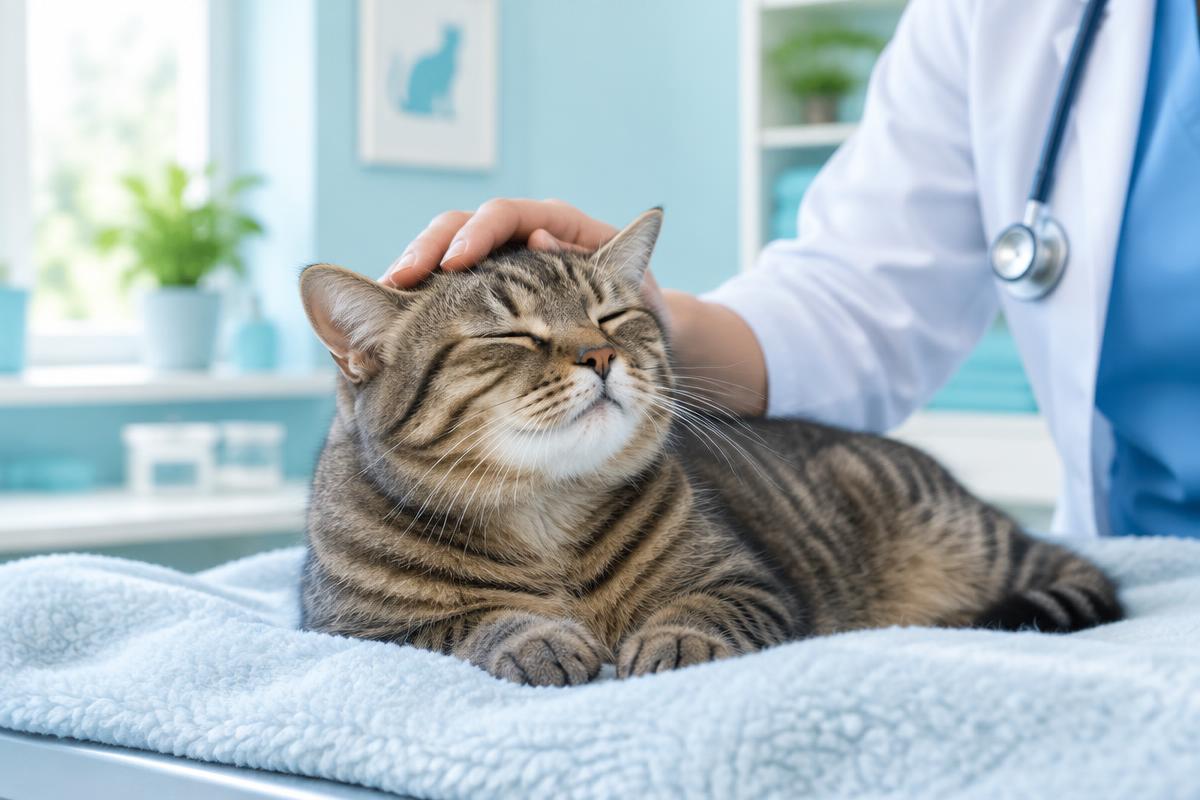
Chemotherapy treats cancer using medicines that act against tumour cells. In dogs and cats, the central aim is disease control with a good quality of life, rather than maximum treatment intensity at any cost. This differs from the intensive treatment people often associate with human chemotherapy, although quality of life matters in human oncology too.
Protocols and doses are selected to limit adverse effects. Most pets tolerate treatment well, but complications can occur and occasionally become serious. A veterinarian experienced in oncology should recommend treatment after assessing the patient and discussing the owner's priorities.
Key points
- Chemotherapy may be the main treatment, follow surgery, or help relieve symptoms.
- Medicines may be administered in hospital or prescribed as tablets at home; never start treatment yourself.
- Blood tests usually precede treatment, with particular attention to white blood cells.
- Poor appetite, vomiting and diarrhoea are possible; significant symptoms need veterinary advice.
- Treatment can be adjusted, paused or stopped when it compromises wellbeing.
When chemotherapy is used
Primary treatment and treatment after surgery
For lymphoma, chemotherapy is often the main treatment because disease can involve several sites; removing one mass is usually insufficient. The approach to lymphoma in cats depends on its form and the tissue findings.
Following surgery, chemotherapy may be recommended for tumours with a high risk of metastasis. It aims to address possible microscopic disease that scans cannot yet detect. This does not mean metastases definitely exist or that treatment will prevent them. Appropriate cancer staging helps guide the decision.
Metronomic and palliative treatment
Metronomic chemotherapy involves ongoing low-dose oral treatment on a prescribed schedule. It is not suitable for every tumour and still requires monitoring and safe handling. “Low dose” does not mean harmless or suitable for unsupervised use.
Palliative care focuses on comfort and everyday function. It may include chemotherapy when the likely benefit justifies the burden. Outcomes depend on tumour type, grade, stage and the individual animal; there is no single reliable prediction for every patient.
Preparing for treatment
The veterinarian reviews cytology or histopathology findings, previous investigations, other illnesses, and all medicines and supplements. Depending on the protocol, additional heart, kidney or other organ assessments may be needed.
Record your pet's usual appetite, weight, activity and behaviour before treatment. Plan who will provide transport, administer prescribed tablets and keep notes. Obtain an out-of-hours contact number: complications do not always happen during office hours.
Discuss the whole treatment budget, not just the cost of an injection. Include tests, follow-up visits, supportive medicines and possible emergency care. Ask about alternatives that fit your finances, travel arrangements and your pet's tolerance of clinic visits.
What a typical appointment involves
- You describe appetite, stools, vomiting, activity and changes since the previous treatment.
- The team examines your pet and checks weight, temperature and general condition.
- Bloodwork is reviewed, especially white cells and neutrophils. Urine testing and further organ-function tests are sometimes needed.
- Treatment proceeds if the findings allow it. Abnormal results may mean postponing or changing the plan.
- You receive written home-care instructions and a follow-up date.
Intravenous medicines are given through a catheter under staff supervision. Some protocols use oral tablets at home or other injections. Appointment length depends on the tests and administration method; ask whether your pet will need to stay for part of the day.
Treatment is often organised into cycles with recovery intervals. Additional blood tests may be scheduled between treatments, around the expected low point in blood-cell counts. Do not change the timetable yourself even if your pet appears completely well.
Possible side effects
More common reactions
Reduced appetite, mild vomiting or diarrhoea may occur. Some pets are less energetic for a day or two. Timing varies by medicine, so feeling well immediately after treatment does not rule out a later reaction.
Your veterinarian may prescribe anti-nausea medicines and other supportive care. Ask for a clear plan for early symptoms. Do not give human medicines or leftover prescriptions without checking first.
Low white blood cells, particularly neutrophils, increase infection risk and may not cause obvious behavioural changes. Blood tests therefore matter even when your pet seems well. Extensive hair loss is uncommon in most pets, although poodles and certain other breeds may develop thinning coats. Cats sometimes lose whiskers.
Less common complications
Certain medicines can cause bladder inflammation; others can affect the heart. Additional monitoring depends on the chosen protocol and individual risks. Some drugs damage surrounding tissues if they leak outside the vein. Pain, redness or swelling near an injection site must be reported immediately.
Safe care and monitoring at home
Wear gloves when handling tablets and follow the prescription exactly. Never split, crush or open the medication yourself. If your pet spits out a tablet or vomits after a dose, do not repeat it without veterinary instructions. Store medicines away from food and out of reach of children and animals.
Follow your clinic's instructions for urine, faeces and vomit. Gloves are commonly recommended for cleaning waste for 48–72 hours after treatment, but the interval can differ by medicine. Ask about washing bedding, disposing of waste and handwashing. Pregnant people should avoid handling chemotherapy and contaminated waste; keep children away from medicines and cleanup. Arrange another adult's help according to your clinic's guidance.
Keep a diary of appetite, drinking, stools, vomiting, activity and urination. Record temperature only if the team has shown you a safe way to measure it. Ask which temperature requires an immediate call. When assessing quality of life, also consider sleep, interaction, comfort and enjoyment of familiar activities.
When urgent veterinary care is needed
Call your treating clinic or emergency service immediately for fever, marked lethargy with refusal to eat, repeated vomiting, bloody diarrhoea, pale gums, breathing difficulty or signs of infection. Failure to pass urine, blood in the urine and swelling at an injection site also need urgent assessment.
These signs require in-person care now, using an emergency hospital when necessary, rather than waiting for an online consultation. Give the team the date and name of the last treatment. Do not delay travel to take a temperature or finish your diary.
Questions to ask your veterinarian
- What is the treatment goal, and how will we judge benefit?
- Which tests are needed, and when might white cells fall?
- Which symptoms mean a phone call or an immediate visit?
- What handling precautions apply to our particular medicines?
- What time and costs should we allow for the complete plan?
- When should treatment be adjusted, paused or stopped?
FAQ
Will my pet feel ill after every treatment?
Not necessarily. Most animals tolerate treatment reasonably well. Reactions may change between cycles, however, so monitoring and blood tests remain important.
Can the entire treatment happen at home?
Some protocols include tablets given at home, but prescribing and monitoring remain veterinary responsibilities. Intravenous treatment takes place at the clinic, and tablets do not remove the need for examinations.
Can we stop if treatment becomes too difficult?
Yes. Discuss this with the oncology team. Adjusting the protocol, taking a break or moving to supportive care are possible options. Your pet's comfort matters more than completing the original plan at any cost.
Conclusion
Chemotherapy is an individual plan, not a standard course that suits every patient. Regular assessment of benefit and burden, clear instructions and prompt communication help protect safety and quality of life.
Book a veterinary oncology consultation to review results and plan next steps. A consultation does not replace an in-person examination or emergency care.
Important
This article is for information only, not a diagnosis or prescription. Treatment requires an individual assessment. An online consultation cannot replace an in-person veterinary examination.
Sources and further reading
- Merck Veterinary Manual: cancer treatment in animals (opens in a new tab).
- AAHA: 2026 oncology guidelines for dogs and cats (opens in a new tab).
- AAHA: supportive and symptomatic care (opens in a new tab).
- Cornell University: feline lymphoma (opens in a new tab).
- Veterinary Cancer Society: pet owner resources (opens in a new tab).
Updated 24 October 2026
Related articles
Treatment & follow-up
A tumor has returned after surgery in your dog or cat — what should you do?
A new lump near a surgical scar does not always mean the tumor has returned, but it needs checking. Learn about possible causes, surgical margins, and the tests that help guide further treatment.
9 min read
Symptoms & diagnostics
Mammary Tumors in Dogs and Cats: Signs, Diagnosis and Treatment
A lump near a nipple cannot be assessed by touch alone. Learn how mammary tumors differ in dogs and cats, which tests may be needed, and how surgery and follow-up care are planned.
8 min read

Symptoms & diagnostics
Tumor biopsy in dogs and cats: what happens and why it matters
A biopsy helps identify a tumor and guide treatment. Learn how tissue is collected, what to expect on the day, how to care for the wound, and what the pathology report can tell you.
7 min read