Tumors in dogs
Found a lump on your dog? What to do and when to see a vet
Most lumps on dogs are not dangerous, but you can't tell by looking or touching. What to note at home, when to book a vet visit, and which tests show what the lump really is.

Finding a lump on your dog is unsettling. The good news is that many lumps turn out to be benign — fatty lipomas, cysts, histiocytomas or simple inflammation. The catch is that some malignant tumours look and feel just as harmless. Neither you nor your vet can tell what a lump is by looking at it or feeling it; that takes a look at its cells. So any new or changing lump deserves a vet check within the next few weeks — and straight away if warning signs appear.
The short answer
- A lump is a reason for an exam, not for panic.
- Note where it is, how big it is and when you first noticed it.
- The quickest first diagnostic step is usually a fine-needle aspirate (cytology).
- Don't squeeze, lance or heat the lump, and don't apply creams unless your vet recommends them.
What to do at home in the first few days
- Record the date and location — for example, "left side, just behind the last rib, noticed 3 March".
- Measure it. Photograph the lump next to a ruler or coin and write down its length and width in centimetres.
- Feel it gently. Is it soft or firm? Does it move freely under the skin, or seem attached to deeper tissue? Does touching it bother your dog?
- Check the whole body. Dogs sometimes have more than one lump, and your vet will want to know about all of them.
- Watch general health. Appetite, energy, weight, breathing and toilet habits matter as much as the lump itself.
- Take a repeat photo after 1–2 weeks if the appointment isn't immediate, so you can show any change.
When to see a vet without delay
Contact a clinic the same day, or as soon as possible, if:
- the lump is growing quickly — visibly within days;
- it bleeds, has ulcerated or is leaking fluid;
- your dog is lethargic, off food, vomiting, has diarrhoea or is breathing with difficulty;
- the lump interferes with eating, swallowing, walking, urinating or passing stool;
- the belly suddenly swells, the gums look pale or your dog is weak — this can signal internal bleeding and is an emergency.
Many veterinary oncologists use a simple rule of thumb: a lump that has been present for more than a month, or is pea-sized or larger, should be sampled — even if it doesn't seem to bother your dog.
What happens at the appointment
Your vet will examine the lump and the rest of the body, feel the lymph nodes and ask about the history. The usual next step is a fine-needle aspirate (FNA): a thin needle collects a small number of cells, which are examined under a microscope. Most dogs don't need sedation, and it feels much like a vaccination. Results may be available the same day, or within one to two days if the slides go to a laboratory.
Cytology often gives a clear answer for lipomas, cysts, inflammation and so-called round-cell tumours such as mast cell tumours or lymphoma. If it doesn't, your vet may suggest a biopsy — a small piece of tissue for histopathology. You can read more in Cytology or biopsy: how tumour tests differ.
If a malignant tumour is confirmed, dogs usually have tests to look for spread before treatment is planned. This is called staging — see How cancer is staged in pets.
Why "just remove it to be safe" isn't always best
Removing a lump without a diagnosis can seem simple, but for some tumours the type determines how much healthy tissue the surgeon needs to take around it. A malignant tumour removed too narrowly may need a second, larger operation. Diagnosis first, then the plan.
Questions to ask your vet
- Which tests do you recommend, and what will each one tell us?
- Will the sample be reviewed by a clinical pathologist?
- If the result is unclear, what is the next step?
- Should the lymph nodes or other organs be checked?
- How should I monitor the lump until the result is back?
How an online consultation can help
An online consultation cannot replace an in-person exam or sampling. It can be useful once you have results: a veterinary oncologist can help you understand the reports, explain the options and prepare questions for your own vet. See online consultations.
Frequently asked questions
If the lump doesn't hurt, can I wait?
Lack of pain doesn't mean a lump is safe — many malignant tumours are painless. Have it checked either way; your vet will advise on timing after the exam.
Can a lump appear after a vaccination?
Yes, a small inflammatory swelling can form after an injection. If it doesn't shrink within a few weeks, or it grows, have it checked.
A soft, movable lump is surely a lipoma?
Not necessarily. Lipomas are often soft and mobile, but other growths — including mast cell tumours — can feel the same. Cytology is what confirms a lipoma.
Is a needle sample risky?
A fine-needle aspirate is considered minimally invasive. Ask the vet performing it about any specific risks for your dog's lump.
Important
This article is for general information and does not replace an examination by a veterinarian. It is not intended for self-diagnosis or choosing treatment. If your dog's condition gets worse, contact your nearest veterinary clinic.
Sources and further reading
- AAHA: 2026 Oncology Guidelines for Dogs and Cats (opens in a new tab) — American Animal Hospital Association.
- AAHA Section 3: Tumor Diagnostics and Staging (opens in a new tab)
- ACVS: Mast Cell Tumors (opens in a new tab) — American College of Veterinary Surgeons.
- Merck Veterinary Manual: Cancer Treatment in Animals (opens in a new tab)
- Veterinary Cancer Society: Pet Owner Resources (opens in a new tab)
Updated 20 October 2026
Related articles
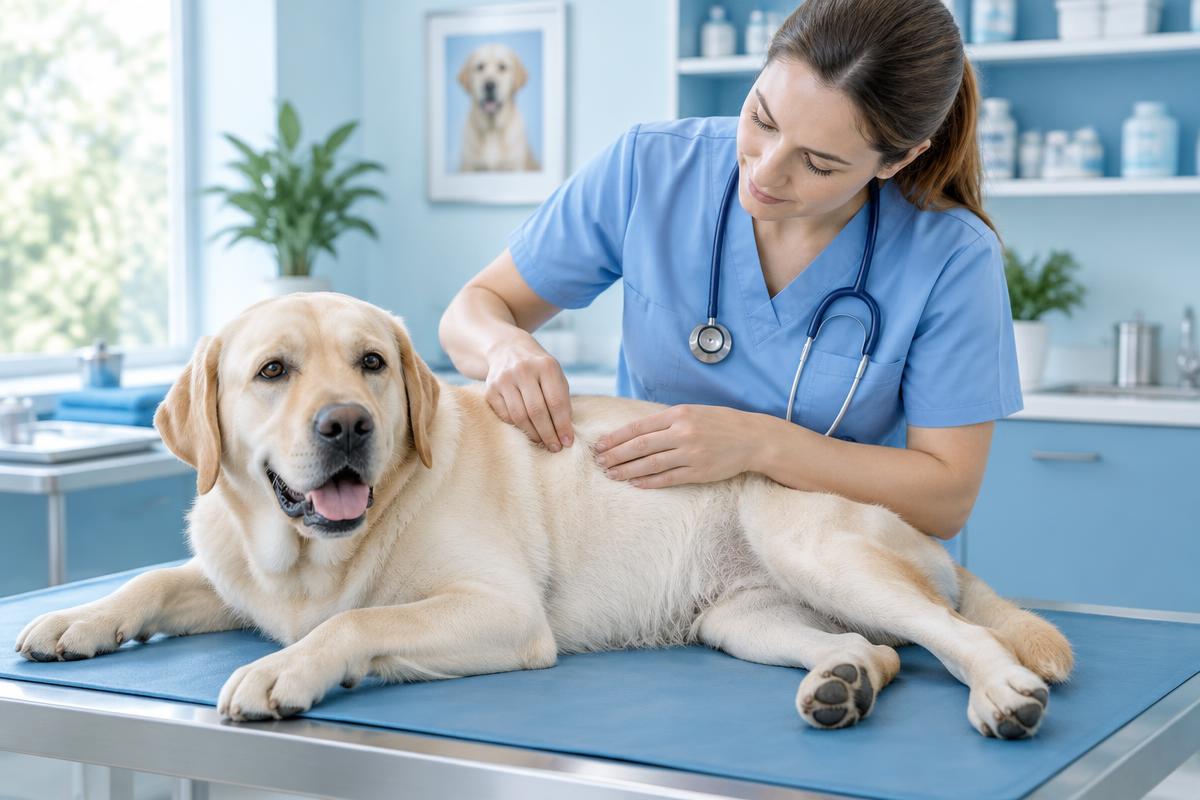
Tumors in dogs
Mast Cell Tumors in Dogs: Symptoms, Diagnosis and Treatment
A mast cell tumor can resemble an innocent lump, but appearance cannot reveal how it will behave. Learn which tests guide treatment, when urgent care is needed, and what follow-up involves after surgery.
7 min read
Treatment & follow-up
A tumor has returned after surgery in your dog or cat — what should you do?
A new lump near a surgical scar does not always mean the tumor has returned, but it needs checking. Learn about possible causes, surgical margins, and the tests that help guide further treatment.
9 min read
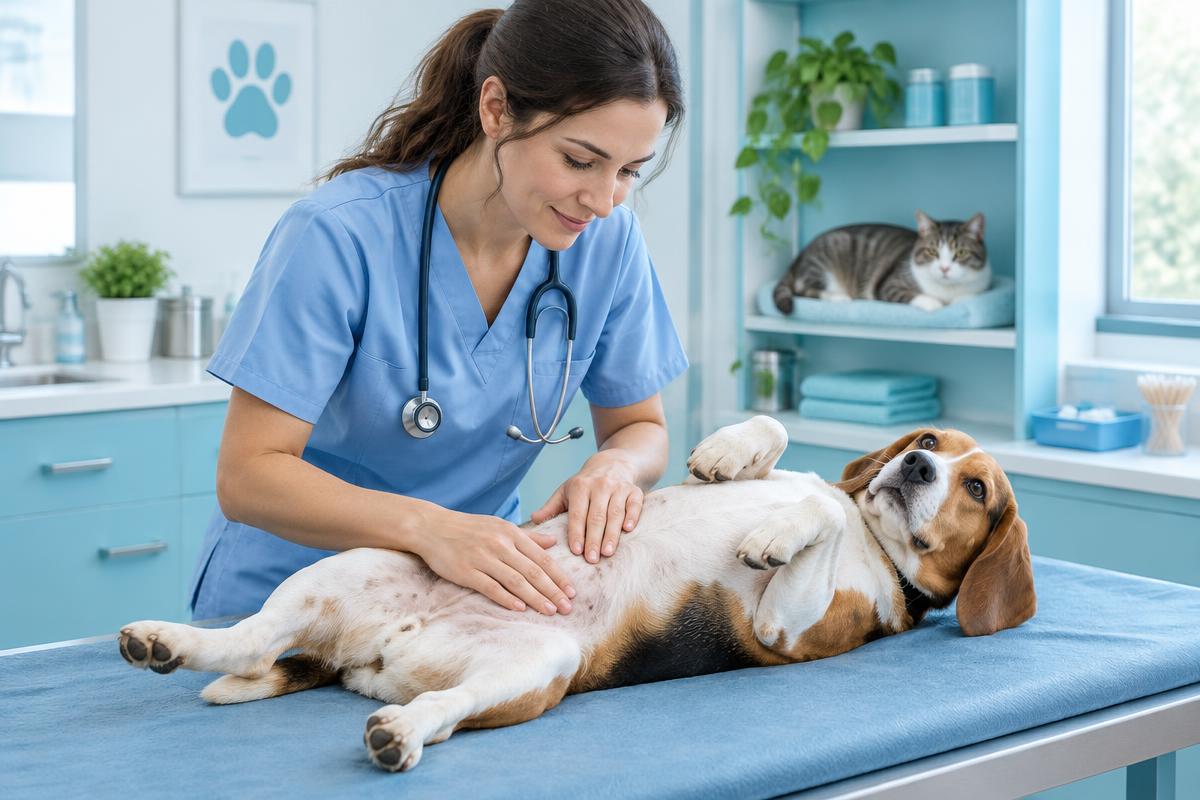
Symptoms & diagnostics
Mammary Tumors in Dogs and Cats: Signs, Diagnosis and Treatment
A lump near a nipple cannot be assessed by touch alone. Learn how mammary tumors differ in dogs and cats, which tests may be needed, and how surgery and follow-up care are planned.
8 min read